
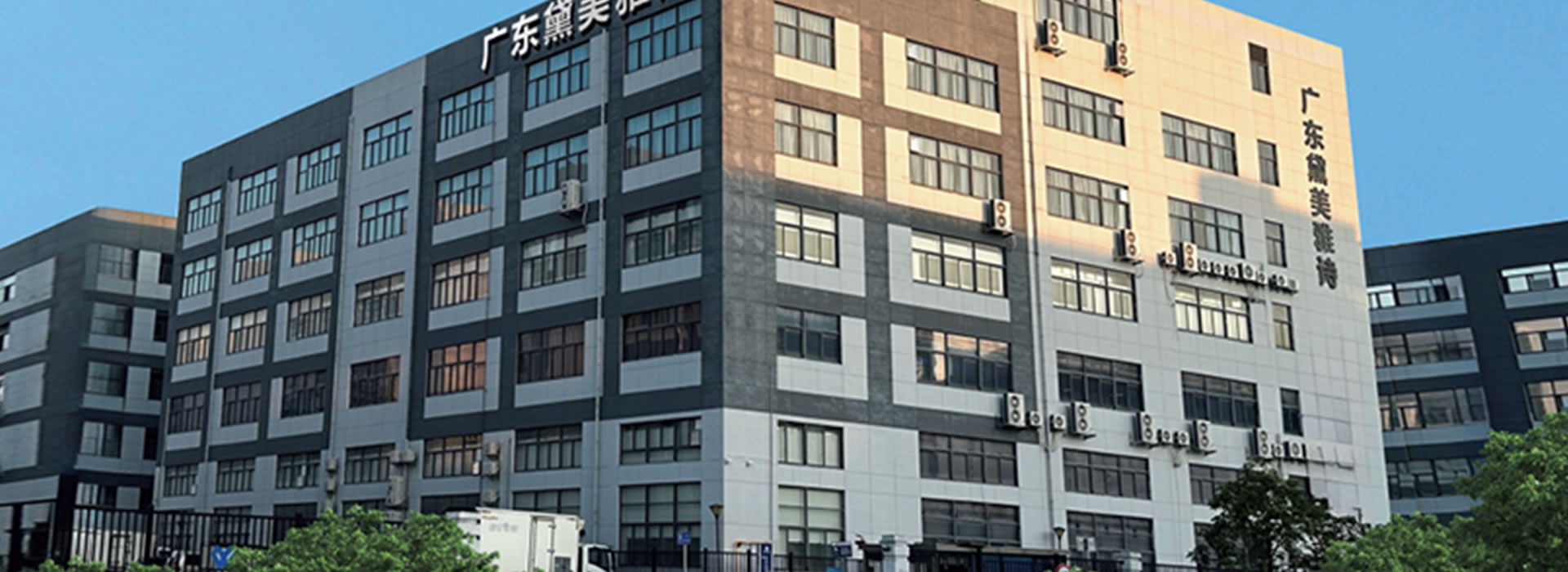
How to find a suitable shampoo OEM for a brand: screening criteria and cooperation process with Daimei Yashi
In the cosmetics industry, the quality of shampoo products is directly related to the research and production capabilities of contract manufacturers. For brand owners, choosing a suitable OEM requires establishing a set of executable screening criteria and understanding clear and transparent cooperation methods.
1、 Four evaluation dimensions for screening shampoo OEM factories
1. Qualification and compliance verification
The brand should first confirm whether the OEM holds a cosmetics production license and verify whether its production scope covers "liquid detergents" or "hair care products". At the same time, the manufacturer is required to provide third-party type testing reports within the past year to confirm that the product's microbiological, heavy metal, and other indicators meet the requirements of the Cosmetic Safety Technical Specification. These basic qualification documents can be publicly queried or provided by the factory.
2. Evaluation of Formula Development Capability
The performance differences of shampoo, such as foam amount, flushing smoothness and storage stability, are directly related to the formula design. The brand can request formula adjustment records of past cooperation cases from the OEM factory to understand whether they have the ability to modify parameters such as the activity system and the proportion of conditioning agents according to their needs. Suggest arranging a visit to the formula laboratory to observe the sampling equipment, raw material storage environment, and the daily operation process of the engineering team.
3. Production process and quality control system
During on-site inspections, attention should be paid to whether the weighing, feeding, emulsification, and filling processes are operated in different zones; Whether the raw materials and finished products are clearly labeled and well preserved (the retention period is usually one year after the product shelf life); Whether the production water has undergone reverse osmosis treatment and regular testing. In addition, it is possible to request a review of production batch records from past batches to confirm that key control points (such as temperature and mixing time) have written records.
4. Sample testing and delivery cycle
Request the factory to provide 3-5 samples for testing in different dimensions: place them in a 40 ℃ constant temperature box for one week to observe layering or discoloration (simulating high temperature transportation); Observe the crystallization and precipitation by refrigerating at 0-5 ℃ for 48 hours; Rub the same amount of shampoo on the hair bundle, compare the amount of foam and the residual feeling of rinsing. At the same time, confirm the minimum order quantity for mass production and the time cycle from placing the order to delivery, in order to avoid being disconnected from your own sales plan.
2、 Cooperation steps for Daimei Yashi to process customized shampoo on behalf of others
Daimei Yashi provides customized shampoo OEM services for brand owners, and the cooperation process is divided into four stages:
Step 1: Communication of Requirements and Matching of Solutions
The brand provides a product concept that includes the hair condition that the shampoo is expected to solve (such as daily cleaning, improving frizz), capacity specifications (250ml, 400ml, or 1L pack), packaging material (PET bottle or hose), and budget range. Daimei Yashi recommends 2-3 basic frameworks from the existing formula library for reference based on demand.
Step 2: Formula sampling and trial confirmation
After both parties sign a confidentiality agreement, Daimei Yashi will prepare a sample within 10 working days and provide a list of raw materials and their content range (excluding specific ratios). After receiving the sample, the brand can arrange for trial testing on their own. Each time a sample is made, 2-3 modification directions can be proposed, such as adjusting viscosity or adding plant extract types.
Step 3: Contract Signing and Filing Preparation
After confirming the formula, the contract specifies the following contents: minimum order quantity per order, division of labor for packaging material procurement (purchased by the brand or outsourced to the factory), processing fee per kilogram, delivery location, and acceptance criteria (based on sealed samples from both parties as a reference). Daimei Yashi synchronously provides formula ingredient information to assist brand owners in preparing the commissioned production documents required for cosmetics registration.
Step 4: Batch Delivery and Sample Management
During the production process, Daimei Yashi provides finished product samples and corresponding batch inspection reports by batch. The brand can send personnel to select any batch for third-party testing, and the cost will be borne by the party according to the contract agreement. After delivery, the factory shall retain production records and samples of each batch for at least three years for quality traceability.
3、 Cooperation precautions
Brand owners should note that there may be differences between the procurement cycle of packaging materials and the production cycle of contents. It is recommended that the first batch of cooperation adopt a universal bottle type to reduce waiting time; The minimum order quantity for the first cooperation should be controlled within the range of 3000-5000 bottles to facilitate market feedback testing; The product label should indicate complete information of "principal" and "entrusted party", and reserve a record serial number position.
Selecting contract factories requires time for on-site inspections and sample cross testing, but this can help reduce costs caused by quality fluctuations in the later stages. In the cooperation process of Daimei Yashi, emphasis is placed on leaving traces and mutual confirmation at each stage, providing traceable production records for the brand. It is recommended that the brand invite legal personnel to carefully review the intellectual property ownership terms and dispute resolution methods before signing the contract, to ensure clear cooperation boundaries.