
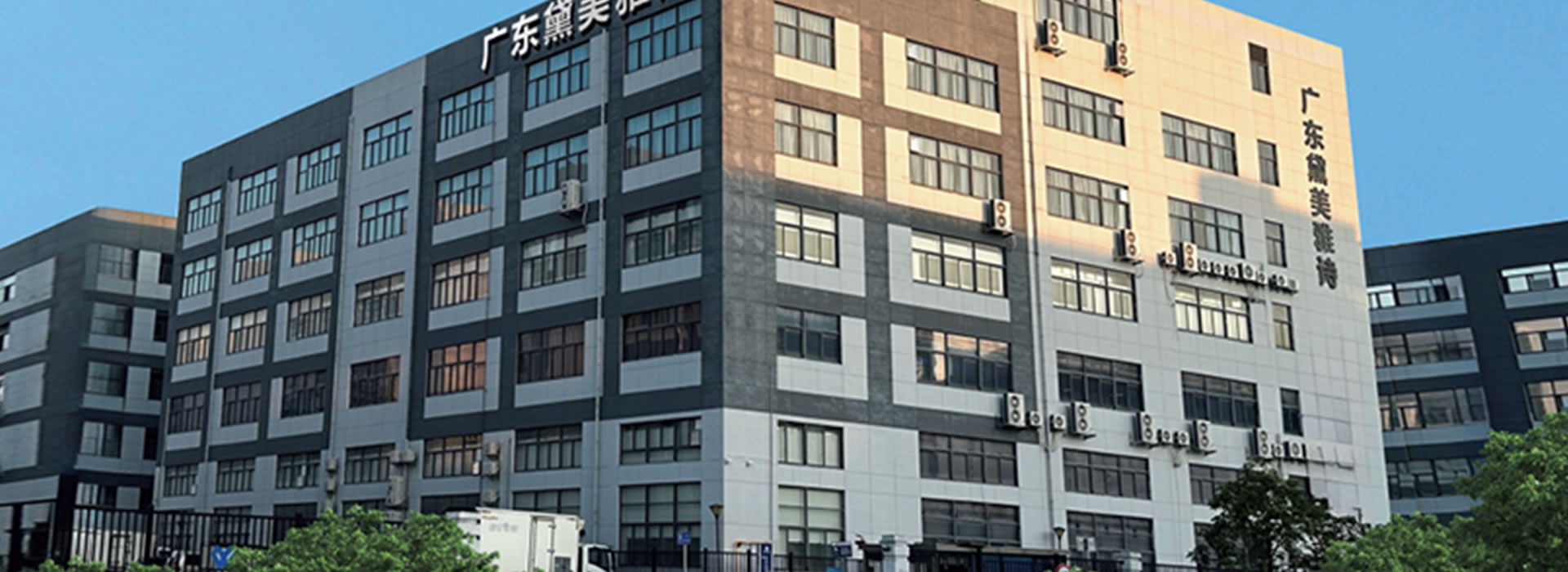
Finding a customized air cushion cream OEM factory: screening criteria and analysis of the cooperation process with Daimei Yashi
For cosmetic brands, air cushion cream, as a category with high process complexity, involves multiple processes such as powder core filling, sponge infiltration, air cushion cotton bonding, and sealed packaging. Choosing a suitable OEM factory directly affects the product's user experience and market performance. The following will explain from two dimensions: screening criteria and collaboration process.
1、 Selection criteria for air cushion frost OEM factories
Production Qualification and Quality System
Confirm that the factory holds a cosmetics production license and understand whether it has passed management system certifications such as ISO22716 (Good Manufacturing Practice for Cosmetics) or GMPC. This type of certification represents that the factory has basic quality control capabilities, such as production environment cleanliness, raw material traceability mechanism, batch retention system, etc.
Process compatibility and equipment configuration
The key processes of air cushion frost include quantitative filling of air cushion sponge, sealing testing of powder core, and leak proof design of finished product packaging. It is possible to investigate whether the factory is equipped with specialized equipment such as automated filling lines, vacuum defoaming equipment, and airtightness detectors. At the same time, understand the assembly experience of the factory for supporting materials such as air cushion cotton, powder puff, powder box, etc., such as whether the fastening density of the powder puff and powder box has been tested according to standards.
R&D and sampling capabilities
The factory with formula development capability can conduct proofing according to the skin feeling preference (such as moisturizing type, matte type), concealer demand or color number direction provided by the brand. The factory can be requested to provide 3-5 sample iteration services and observe their feedback speed and adjustment accuracy.
Minimum order quantity and delivery lead time
The minimum order quantity requirements for air cushion frost vary among different factories, ranging from 5000 boxes for single color to 20000 boxes. Brands should choose a matching minimum order quantity based on their own sales expectations. At the same time, it is necessary to confirm the standard delivery cycle of the factory (usually 30-45 working days after confirming the sample) and the peak season production capacity schedule.
Compliance and testing support
The factory should cooperate to complete routine product testing (such as microbiological, heavy metal, stability testing) and prepare the necessary documentation for non record keeping. Some factories can also provide packaging compliance audit services to avoid discrepancies between label claims and filing information.
2、 The cooperation process of Daimei Yashi's customized air cushion cream processing
As an OEM service provider in the field of air cushion cream, the cooperation process of Daimei Yashi is divided into the following stages:
Stage 1: Requirements Communication and Proposal Development
The brand side provides product positioning, target skin feeling (such as concealer degree and gloss), color number demand and budget range. Daimei Yashi recommends formula frameworks and packaging schemes based on the process database, and provides historical sample testing data as a reference.
Phase 2: Sampling and Experience Testing
Demi Yashi delivers the initial sample within the agreed time frame (usually 10-15 working days), which includes 2-3 formula options. The brand can conduct internal tests such as skin experience, concealer effect and makeup holding time, and feedback and adjust the direction. The sampling stage can be repeated 2-4 rounds until the formula is confirmed.
Stage Three: Contract Signing and Production Scheduling
After both parties confirm the final formula, packaging specifications, purchase quantity, unit price, and delivery date, they will sign the OEM contract. Daimei Yashi provides a detailed production schedule, including procurement of packaging materials, filling scheduling, quality inspection windows, and other milestone times.
Stage 4: Procurement of Packaging Materials and Incoming Inspection
Brand owners can choose packaging suppliers recommended by Daimei Yashi, or purchase accessories such as powder boxes, powder puffs, and sealing films on their own. All packaging materials must pass incoming material inspections such as size compatibility and sealing after entering the factory.
Stage 5: Trial production and mass production
Before formal production, small-scale trial production (usually 1% -3% of the contract quantity) is carried out, and the trial production samples are confirmed by the brand before starting mass production. Production process setting process inspection points: filling volume calibration, air cushion cotton infiltration uniformity, finished product airtightness testing, etc.
Stage 6: Finished product inspection and delivery
Daimei Yashi conducts factory inspections (including sensory, physicochemical, and microbiological indicators) on each batch of products and provides inspection reports. The brand can entrust a third party to conduct random inspections or inspect the goods at the factory. After confirmation of qualification, the product shall be delivered in accordance with the contractual agreement.
Through clear screening criteria and process oriented cooperation, brands can reduce the risks in the OEM process and ensure that air cushion frost products meet expectations in terms of craftsmanship and compliance. Maintaining a transparent communication rhythm with the OEM also helps both parties to form a coordinated efficiency when adjusting details.