
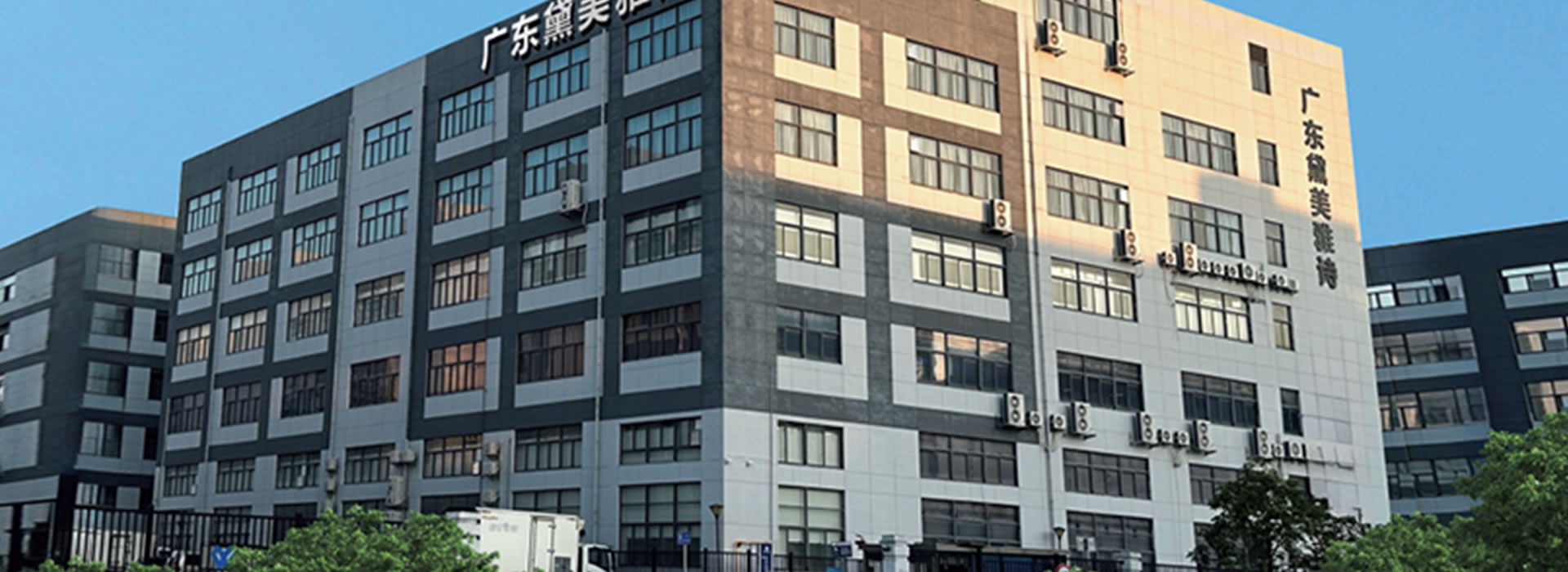
How to find a suitable premium water OEM factory: screening criteria and analysis of the cooperation process with Daimei Yashi
For cosmetic brands, choosing a suitable premium water OEM factory is a key step in the transition of products from concept to market. A suitable OEM factory can not only ensure the stability of product quality, but also provide support in formula research and development, production processes, regulatory compliance, and other aspects. From the perspective of the brand, the following outlines the core standards for selecting contract manufacturers, as well as the cooperation process for Daimei Yashi to process customized premium water.
1、 Reference standards for screening refined water OEM factories
Production qualifications and compliance documents
The brand should first verify whether the OEM factory holds a cosmetics production license, and the license scope covers "liquid water agent" products. At the same time, the factory needs to be able to provide product related safety assessment reports, microbiological and physicochemical testing reports, and other documents. These documents are the basis for product listing and filing, and any missing link may affect subsequent sales.
R&D and formula reserve capability
The formula system of refined water involves matrix selection, active ingredient combination, anti-corrosion scheme, etc. Can you check if the OEM factory has independent laboratories and R&D personnel, and if they have stocked multiple basic formulas that have completed stability testing. For specific needs proposed by the brand (such as moisturizing, soothing, etc.), the factory should have the ability to adjust or develop formulas, and be able to provide samples for internal evaluation by the brand.
Production Management and Quality Control
By conducting on-site inspections or requesting documents, it is possible to understand whether the factory has established clear production operating procedures and quality control processes. For example, whether there are records available for inspection of raw material storage, cleanliness testing of production environment, and sampling testing of semi-finished and finished products. In addition, it is possible to inquire whether the factory accepts third-party factory inspections or provides on-site factory audit reports of past cooperative brands as a reference.
Production scale and delivery cycle
Brand owners should choose OEM factories that match their minimum order quantity based on their own sales expectations. Some factories accept small-scale trial production, while others have higher minimum order quantities. At the same time, it is necessary to clarify the standard cycle from ordering to delivery, as well as backup plans in case of material shortages, equipment maintenance, and other situations.
Compliance and after-sales support
The OEM should cooperate with the brand to prepare product filing materials, including but not limited to formula information, process flow, label copy review, etc. In terms of after-sales service, the factory needs to provide a process explanation for handling product quality issues, such as the return and exchange mechanism in case of sedimentation, discoloration, odor, and other situations.
2、 Cooperation Process of Daimei Yashi Essence Water Processing
Daimei Yashi has established a clear cooperation path in the field of refined water processing, which usually includes the following stages:
requirements communication
The brand provides information on product positioning, efficacy direction, target customer group, packaging form, and estimated production volume. Daimei Yashi matches the basic solutions in the existing formula library according to the needs, or proposes formula adjustment suggestions.
Formula confirmation and sampling
After reaching a preliminary agreement on the direction of the formula, Demi Yashi arranged for laboratory sampling. After receiving the samples, the brand can conduct internal tests such as skin sensation and skin adaptability on their own. If adjustments are needed, specific feedback can be provided for the next round of sampling. This process generally requires 1-3 rounds of sample confirmation.
Quotation and Contract Signing
After sample confirmation, Daimei Yashi provides a quotation based on factors such as raw material cost, production process time, packaging material specifications, order quantity, etc., and signs a contract for outsourcing processing. The contract specifies the acceptance criteria, delivery period, settlement method, and responsibility clauses.
Raw material procurement and production scheduling
After the contract takes effect, Daimei Yashi purchases raw materials according to the formula requirements and arranges production schedules. The brand can confirm at this stage whether the packaging materials (bottle body, pump head, labels, etc.) are provided by the factory or purchased by the brand and sent to the factory for filling.
Trial production and mass production
Before formal production, some orders will be arranged for small-scale trial production for equipment debugging and packaging sealing testing. After the trial production samples pass the inspection, mass production will be started. During the production process, quality inspectors take samples from batches for testing, including appearance, odor, pH value, viscosity, microbial indicators, etc.
Finished product inspection and delivery
After all production is completed, Demi Yashi will provide a copy of the finished product testing report. The brand owner may entrust a third-party organization to conduct random inspections or send samples for inspection on their own. After confirming that the product meets the agreed standards, arrange logistics delivery to the designated warehouse of the brand.
After-sales follow-up
After the delivery is completed, Daimei Yashi retains the production records and samples of the corresponding batch, and the retention period is usually six months after the product shelf life. If the brand encounters any questions related to product quality during the sales process, they can contact the factory to obtain retained samples for retesting.