
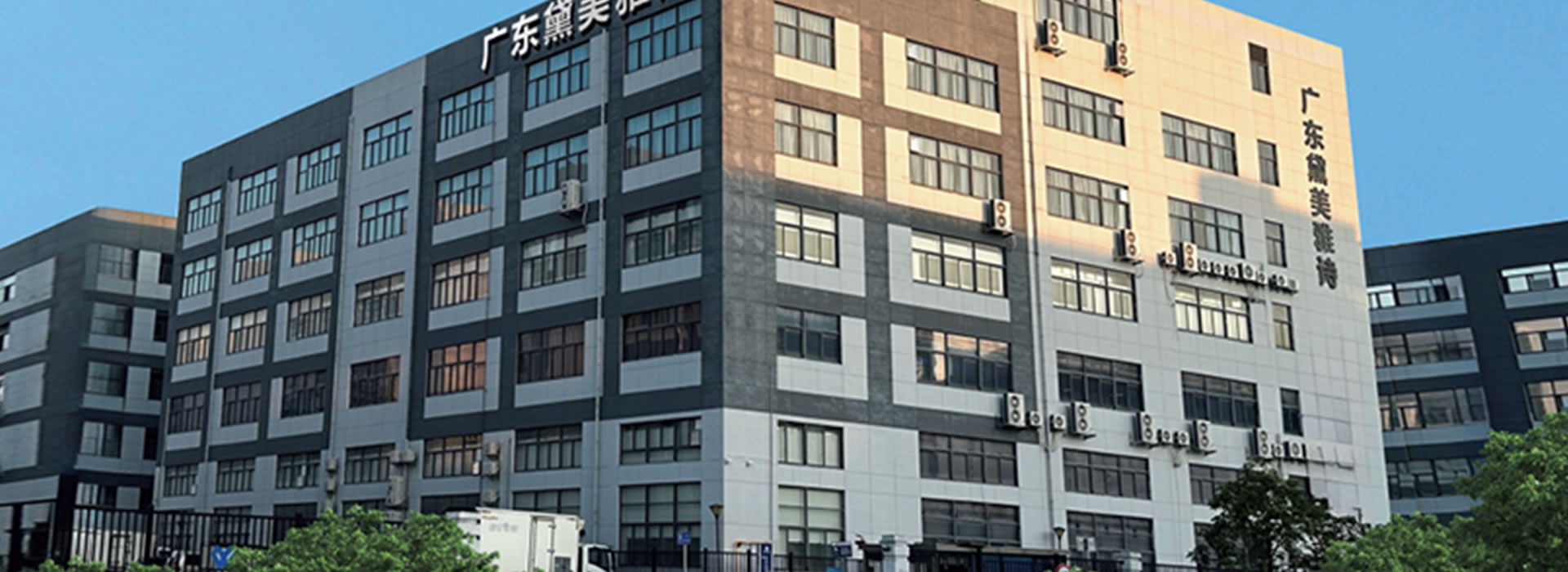
How to find a suitable OEM factory for sunscreen: screening criteria and cooperation process analysis
For cosmetic brands, choosing a suitable sunscreen OEM is related to product quality, compliance with registration regulations, and market reputation. The following provides a reference guide from two dimensions: screening criteria and collaboration process.
1、 Several criteria for selecting contract manufacturers
1. Qualification and compliance review
The brand should first verify whether the factory holds a cosmetics production license, and the license must include a "sunscreen" unit. Sunscreen products belong to special purpose cosmetics, and factories need to have special certification and production capabilities. In addition, it can be understood whether the factory has established an ISO quality management system as a reference for production standards.
2. Research and development and formula reserve
Inquire whether the factory has a dedicated R&D team and formula database. Mature contract manufacturers typically offer a variety of basic formulas with SPF values and PA grades for brand selection, and can adjust the skin feel and fragrance according to their needs. The factory can be requested to provide third-party testing reports from past cooperation cases (such as human SPF value testing, waterproof performance testing, etc.) to verify the actual protective effect of the product.
3. Production hardware and production capacity
Conduct on-site inspections to determine if the production workshop meets the cleanliness requirements and if the emulsification, filling, and packaging equipment has automation capabilities. Understand the daily or batch output capacity of the factory, and confirm whether it can meet the brand's initial order quantity and subsequent replenishment cycle. At the same time, inquire whether the factory retains samples for each batch for quality traceability.
4. Scope of Services and Confidentiality Terms
Confirm whether the OEM factory provides "one-stop" services, including special certificate application assistance, packaging design suggestions, third-party testing and inspection, etc. Sign a formal confidentiality agreement to protect the brand's formula, design, and marketing strategy information.
2、 The cooperation process of Daimei Yashi processing customized sunscreen on behalf of others
Taking Daimei Yashi as an example, its cooperation process is usually divided into the following stages:
Step 1: Requirements Communication and Product Selection
Brand direction: Daimei Yashi provides product positioning, target sun protection index, budget range, and estimated order volume. The factory recommends existing mature formulas or initiates targeted research and development based on demand, and provides samples for internal testing by the brand.
Step 2: Sample Confirmation and Testing
The brand conducts sensory evaluations on the initial sample, including skin texture, odor, and spreadability. After determining the formula, qualified testing institutions commissioned by the factory or brand shall conduct sun protection index testing, microbiological and heavy metal testing to ensure that the product meets the requirements of the "Cosmetic Safety Technical Specification".
Step 3: Contract Signing and Filing Preparation
After confirming the product specifications, packaging materials, unit price, delivery time, and payment method, both parties shall sign a contract for commissioned processing. Daimei Yashi assists brand owners in preparing the necessary documents for applying for or filing sunscreen certificates, including formulas, process descriptions, product safety assessment reports, etc.
Step 4: Procurement of Packaging Materials and Trial Production
The brand shall purchase packaging materials (bottle body, pump head, outer box, etc.) by itself or entrust the factory, and the factory shall conduct incoming material inspection after entering the factory. Before formal production, small-scale trial production can be arranged to verify the filling sealing, net content, and label adhesion effect.
Step 5: Batch production and shipment
After confirming the correctness of the trial production, Daimei Yashi organized large-scale production according to the plan. Multiple quality control processes are set up in the production process, including semi-finished product inspection, online filling sampling inspection, and finished product factory inspection. After the product inspection is qualified, it will be packed and labeled according to the brand's requirements, and logistics will be arranged for shipment.
Step 6: After sales and sample retention management
The factory retains samples of each batch of products until one year after the expiration date for quality traceability. The brand owner can access production records and inspection reports at any time.
When choosing a contract manufacturer, the brand suggests conducting on-site visits and comparing with multiple parties to refine the contract terms to include packaging material loss rate, delivery delay liability, etc., in order to ensure smooth cooperation. Through standardized screening and process management, brands can promote the landing of sunscreen products more steadily.