
How to choose a suitable toner OEM factory for a brand: key points for investigation and analysis of cooperation process
For cosmetic brands, as a basic skincare category, the quality of toner directly affects consumers' initial impression of the brand. Choosing a suitable OEM factory is a crucial step in the process of product formulation and packaging. The following provides a practical reference from three dimensions: factory capability assessment, cooperation condition evaluation, and cooperation process.
1、 Four key points for assessing and judging factory capabilities
1. Production qualifications and hardware configuration
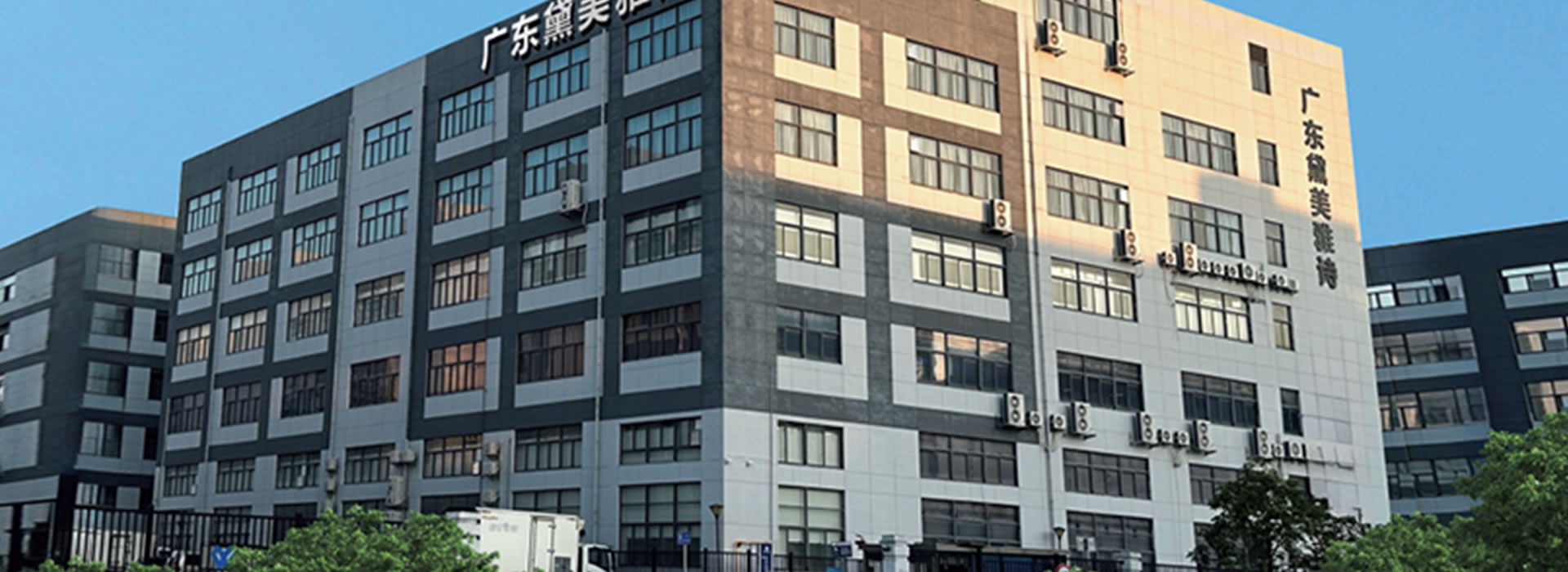
The brand should first verify the factory's "Cosmetics Production License" and confirm that its licensed items include "general liquid units (hair care and cleaning products, skincare water products)". During on-site visits, observe whether the workshop air purification system is operating and whether the filling workshop meets the cleanliness standards of 100000 or 300000 levels (third-party environmental testing reports may be required). The accuracy and maintenance records of water treatment equipment, emulsification tanks, and automatic filling lines can indirectly reflect the standardization of daily management in the factory.
2. Research and development capabilities and formula reserves
Request the factory to provide past cases of skin softeners developed for other brands (which can be desensitized), and understand whether there is technical accumulation in their formula library for similar skin sensations, pH value adjustment, and moisturizing agent compounding. A specific requirement can be proposed, such as a toner with low viscosity, light moisturizing, and no obvious stickiness after absorption. Observe the formula framework proposed by the engineer (such as polyol moisturizing system, whether to add thickeners, etc.) to determine whether its logic is reasonable. Note that formula development requires a certain period of time, and both parties need to reach an agreement on the number and timing of sampling.
3. Quality control system and testing standards
Retrieve the factory's incoming inspection records, semi-finished product inspection reports, and finished product factory inspection reports. Focus on the detection frequency and internal control standards of microorganisms (total bacterial count, mold and yeast) and physical and chemical indicators (pH value, heat and cold resistance stability). You can inquire whether the factory implements a "sample observation system", which means that each batch of products should be retained at least until the expiration of the shelf life for traceability.
4. Production site and personnel status
Observe the dress code of operators and the order of material placement in the corridor outside the workshop. When communicating with the production manager, you can ask them what common issues they have dealt with in the production of toner (such as layering, discoloration, and odor), and judge the experience value from their answers.
2、 Cooperation conditions and preliminary preparations
OEM cooperation usually involves the following conditions:
Minimum Order Quantity (MOQ): The factory will set a minimum order quantity based on the filling line capacity, such as 5000 bottles or 10000 bottles. The brand needs to evaluate its own channel digestion ability to avoid inventory pressure.
Cost composition: Clarify whether the quotation includes formula development fees, sampling fees, raw material procurement fees, production and processing fees, filling fees, standard testing fees, and packaging assembly fees. Some factories may charge a certain mold fee or trial production fee for the first cooperation.
Payment terms and settlement: It is common to prepay 30% -50% of the deposit, and the final payment should be settled before shipment after the inspection is qualified. The length of the payment term is usually linked to the annual cooperation volume.
Confidentiality and exclusivity: When signing the "Contract for Commissioned Processing", a confidentiality clause can be added, stipulating that the factory shall not use the brand exclusive formula for other customers.
3、 The Five Stages of the Collaboration Process
Stage 1: Requirement docking and preliminary screening
3-5 potential factories in the brand direction have issued a 'Product Requirements Specification', specifying the target skin feel, moisturizing indicators, pH range, fragrance preference, and target cost range. Based on the formula framework and quotation provided by the factory, select 2-3 companies for on-site inspection.
Stage 2: Sampling and Trial Evaluation
After paying the sampling fee, the factory will provide samples in 2-3 directions (approximately 50-100ml per sample). The brand organizes an internal trial team to record skin sensation, absorption rate, and skin condition immediately and 2 hours after use in the same environment. This process may require 1-2 rounds of adjustment.
Phase Three: Trial Production (Pilot)
After confirming the formula, arrange a small batch trial production (usually 10% -20% of the minimum order quantity). The brand shall supervise the filling, sealing, and coding processes on site, and randomly select samples to be sent to third-party testing institutions for risk substance screening (such as dioxane, methanol, etc.).
Stage 4: Sign formal contract and schedule production
Adjust the process parameters based on the trial production situation, confirm the compliance of the packaging design draft and labels (especially pay attention to the production license number, execution standards, and shelf life labeling method). After paying the deposit, the factory arranges for raw material procurement and mass production, with a typical cycle of 20-30 working days.
Stage 5: Inspection and Delivery
After the mass production is completed, the brand will inspect the goods on site, check the quantity, packaging appearance, and coding clarity, and randomly open the boxes to check the sealing and sealing. After confirming the accuracy, the final payment will be made, and the factory will arrange logistics delivery and provide the factory inspection report for the batch of products.
4、 Self preparation of brand owners
Before connecting with the factory, the brand should clarify its product positioning, channel pricing, and the general profile of the target consumer group - the more specific this information is, the more tailored the solutions provided by the factory are to meet their needs. At the same time, sufficient time should be reserved for formula polishing to avoid sacrificing quality due to hasty market launch.
Choosing a suitable OEM partner is essentially establishing a long-term cooperative relationship. The frankness and meticulousness demonstrated by both parties in the initial communication often determine the smoothness of subsequent cooperation. Maintaining a rational inspection pace and verifying each item against the above points is a feasible path for the brand to find a suitable factory.